
Emergency contraceptives, such as the i-pill, have become a convenient option for preventing unplanned pregnancies. While effective in emergencies, their overuse or misuse can lead to concerns about potential side effects, especially on future pregnancy plans. Here’s a closer look at i-pill side effects and when to seek help.
What is an I-Pill?
The i-pill is an emergency contraceptive containing a high dose of levonorgestrel, a synthetic hormone that prevents fertilization or implantation. It is meant for occasional use and not as a regular contraceptive method.
Immediate I-Pill Side Effects
While effective, i-pills can cause some short-term side effects, including:
Nausea or Vomiting: A common reaction to the high hormone dosage.
Irregular Periods: The menstrual cycle may temporarily change after taking an i-pill.
Spotting or Bleeding: Light bleeding or spotting can occur between cycles.
Mood Swings or Fatigue: Hormonal fluctuations may cause temporary mood changes or tiredness.
I-Pill Side Effects on Future Pregnancy
Although occasional use of i-pills does not typically harm fertility, frequent use may lead to:
Hormonal Disruptions: Repeated intake can interfere with ovulation, delaying natural conception.
Uterine Lining Issues: The uterine environment may temporarily become less favorable for embryo implantation.
Menstrual Irregularities: Prolonged irregular cycles can make it difficult to predict ovulation, potentially impacting pregnancy planning.
When to Consult a Specialist?
If you’re experiencing persistent menstrual irregularities or difficulty conceiving, it’s advisable to consult a fertility expert. SCI IVF Hospital, a trusted name for IVF treatment in Delhi, offers comprehensive care and guidance to address fertility concerns.
How SCI IVF Hospital Can Help
Personalized Treatment Plans: Tailored solutions for individuals affected by hormonal imbalances due to contraceptive misuse.
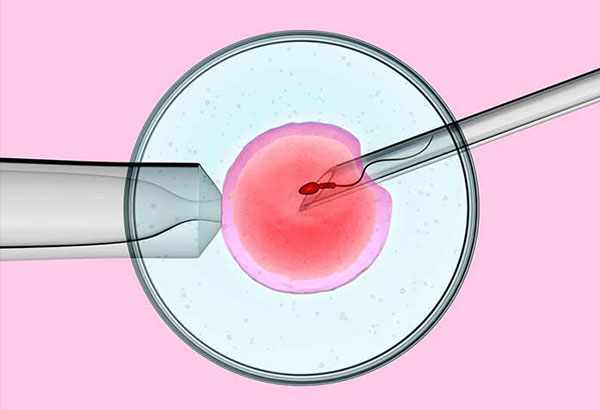
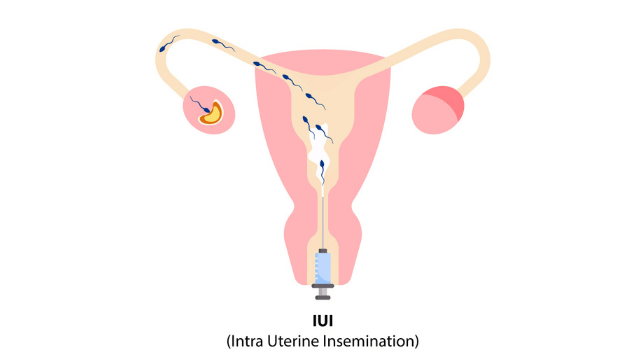
Advanced Fertility Services: Offering cutting-edge treatments, including IVF, ICSI, and IUI, to assist in achieving parenthood.
Experienced Team: Home to renowned specialists who understand the nuances of reproductive health.
Proactive Measures for Reproductive Health
To avoid i-pill side effects on future pregnancy, consider switching to regular contraceptive methods. Birth control pills, intrauterine devices (IUDs), or implants are safer long-term options. Consulting a gynecologist ensures the choice aligns with your health needs.
Conclusion
I-pill side effects, especially with frequent use, can affect reproductive health and future pregnancy plans. However, occasional use typically has no lasting impact. If you’re facing challenges in conception, SCI IVF Hospital is your go-to destination for expert fertility solutions, including IVF treatment in Delhi. Always prioritize informed contraceptive choices to protect your long-term well-being.









Write a comment ...