
Infertility treatments have advanced significantly, offering hope to countless couples worldwide. Among the most popular techniques are In Vitro Fertilization (IVF) and Intracytoplasmic Sperm Injection (ICSI). While both methods aim to assist couples in achieving pregnancy, they differ in their approach and application. Understanding these differences can help you make informed decisions about your fertility journey. Additionally, innovations like PGS testing and insights into IVF success rates further enhance the effectiveness of these treatments.
What is IVF?
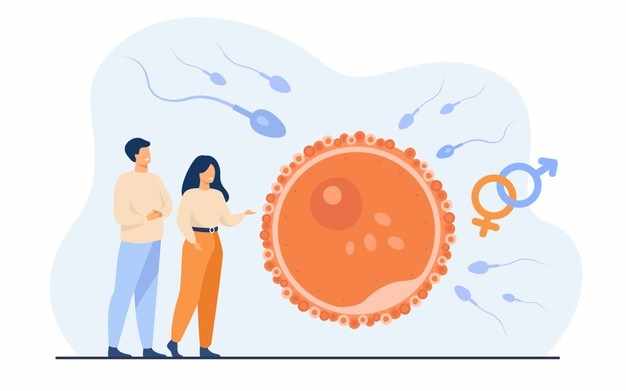
In Vitro Fertilization (IVF) is a procedure where eggs and sperm are combined in a laboratory to facilitate fertilization. The key steps involved in IVF include:
Ovarian Stimulation: Medications are used to stimulate the ovaries to produce multiple eggs.
Egg Retrieval: Mature eggs are retrieved from the ovaries.
Fertilization: Sperm is introduced to the eggs in a petri dish to allow natural fertilization.
Embryo Transfer: Successfully fertilized embryos are transferred to the uterus for implantation.
Ideal Candidates for IVF
IVF is suitable for individual’s facing challenges like blocked fallopian tubes, ovulation disorders, or unexplained infertility.
What is ICSI?
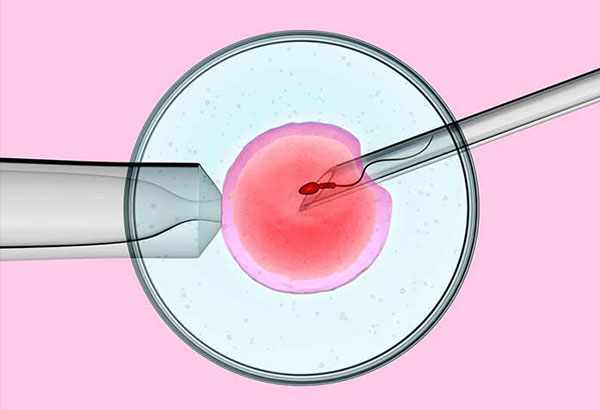
Intracytoplasmic Sperm Injection (ICSI) is a specialized form of IVF designed to address male infertility. The steps of ICSI are like IVF but with one major difference during fertilization:
Sperm Injection: Instead of allowing sperm to fertilize the egg naturally, a single sperm is injected directly into the egg using a fine needle.
Embryo Transfer: The resulting embryo is transferred to the uterus, just as in IVF.
Ideal Candidates for ICSI
ICSI is particularly beneficial for couples dealing with:
Low sperm count or motility.
Abnormal sperm morphology.
Previous failed fertilization attempts with IVF.
Role of PGS Testing in Improving Success Rates
Preimplantation Genetic Screening (PGS) is a groundbreaking technique used alongside IVF and ICSI to enhance success rates. PGS involves screening embryos for chromosomal abnormalities before implantation. This helps:
Increase the chances of successful implantation.
Reduce the risk of miscarriage.
Ensure healthier pregnancies.
Many clinics, including the best IVF centre in Delhi NCR, now recommend PGS testing for couples experiencing recurrent pregnancy loss or advanced maternal age.
Success Rates of IVF and ICSI
The success rate of IVF or ICSI varies depending on factors such as age, egg quality, and underlying health conditions.
IVF Success Rates: Typically range between 30-50% per cycle for women under 35. The rates decline with age.
ICSI Success Rates: Similar to IVF but show higher fertilization success in cases of severe male infertility.
The best IVF centers in Delhi NCR, like SCI IVF Hospital, leverage advanced technology and personalized care to achieve industry-leading success rates.
Choosing the Right Treatment
The choice between IVF and ICSI depends on your specific fertility challenges. Consulting with experienced specialists at the best IVF centre in Delhi can provide clarity and guidance tailored to your needs. With options like PGS testing and a focus on maximizing success rates, your journey toward parenthood is in capable hands.
Final Thoughts
Both IVF and ICSI are transformative procedures that bring hope to couples struggling with infertility. Understanding the differences and advancements like PGS testing can significantly impact your success. If you’re looking for reliable fertility treatment with high success rates, consult with experts at the best IVF hospital in Delhi to explore the best options for you.






Write a comment ...