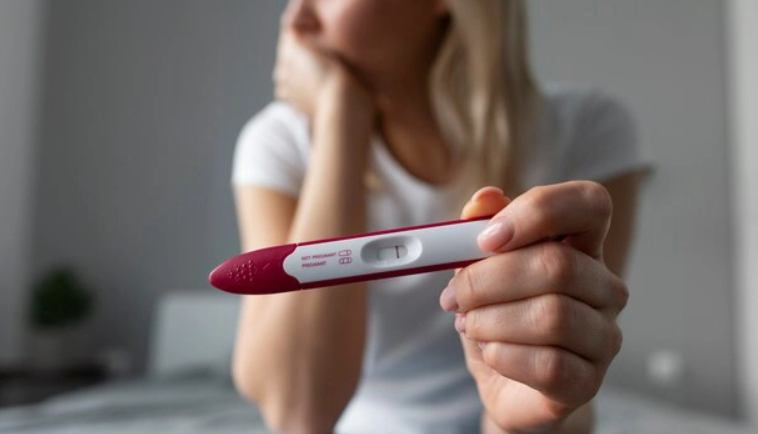
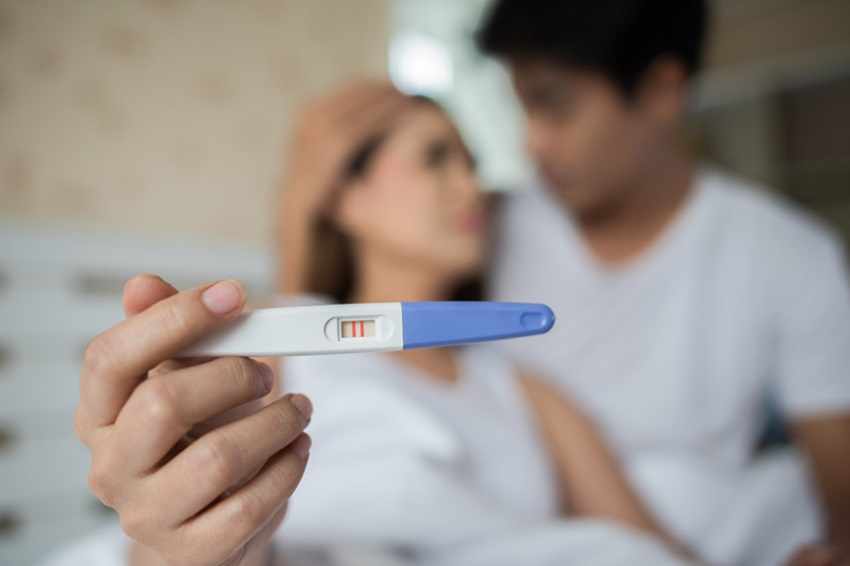
Infertility is a condition where a couple is unable to conceive after one year of regular, unprotected intercourse. It can result from reproductive health issues in either partner. Understanding what causes infertility and the factors contributing to male infertility and female infertility can help in seeking timely treatment.
What Causes Infertility?
Infertility occurs due to various medical, genetic, lifestyle, and environmental factors. It can affect both men and women, leading to challenges in natural conception. The primary causes of infertility can be categorized into male and female factors.
Male Infertility: Causes and Factors
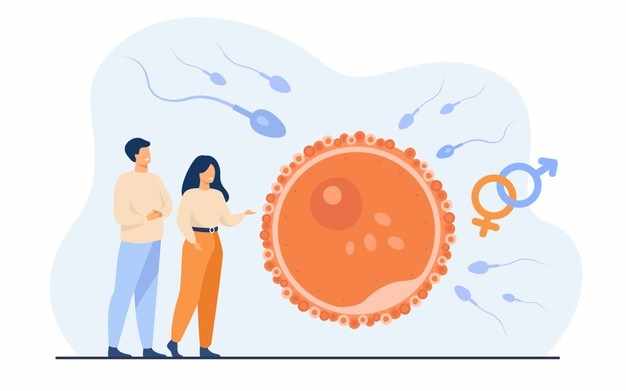
Male infertility accounts for nearly 40–50% of infertility cases. The major infertility causes in males include:
✔ Low Sperm Count (Oligospermia): Fewer sperm reduce the chances of fertilization.
✔ Poor Sperm Motility (Asthenospermia): Sperm that cannot swim properly struggle to reach the egg.
✔ Abnormal Sperm Morphology: Misshapen sperm may not fertilize an egg successfully.
✔ Hormonal Imbalances: Low testosterone or other hormonal issues can reduce sperm production.
✔ Obstructions in the Reproductive Tract: Blocked ducts prevent sperm from being ejaculated.
✔ Lifestyle and Environmental Factors: Smoking, alcohol, obesity, stress, and exposure to toxins can harm sperm health.
Female Infertility: Common Causes
Female infertility is often linked to ovulation disorders, structural issues, or medical conditions affecting reproductive health. Some common causes of infertility in women include:
✔ Ovulation Disorders: Conditions like Polycystic Ovary Syndrome (PCOS) or hormonal imbalances prevent egg release.
✔ Blocked Fallopian Tubes: Infections, endometriosis, or previous surgeries can cause blockages, hindering fertilization.
✔ Endometriosis: Tissue growing outside the uterus can affect implantation and cause severe pain.
✔ Uterine Fibroids: Noncancerous growths in the uterus may interfere with pregnancy.
✔ Age-Related Decline: Fertility decreases after 35 due to lower egg quality and quantity.
✔ Lifestyle and Medical Conditions: Obesity, smoking, excessive alcohol intake, thyroid disorders, and diabetes can impact fertility.
Conclusion
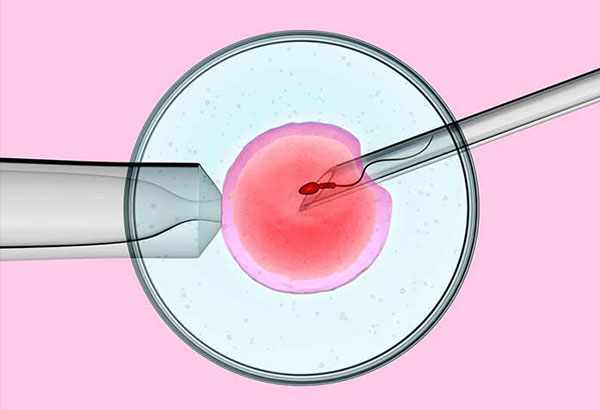
Infertility is a complex issue with various underlying causes. However, with medical advancements like IVF, ICSI, and hormonal treatments, couples struggling with infertility have hope. Understanding what causes infertility and addressing male infertility and female infertility factors can improve the chances of conception. Seeking help from fertility specialists is the first step toward parenthood.









Write a comment ...